

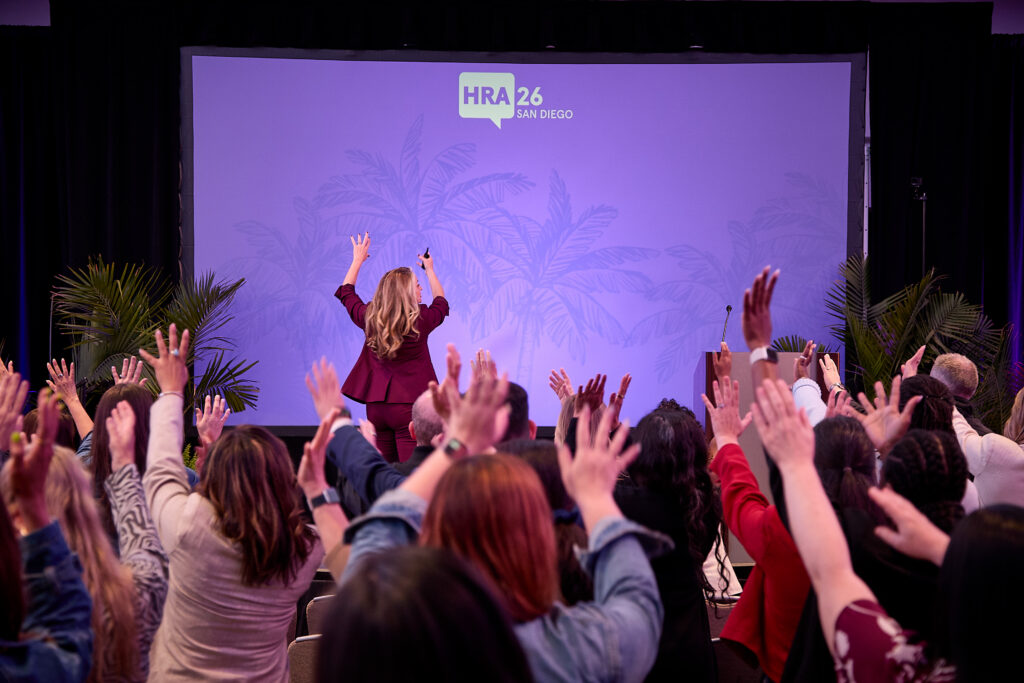
Have you ever met someone for the first time and felt like you’d known them for years?
That’s exactly what I witnessed at the HR Advisory event hosted by Bennie Benefits in San Diego on April 30. I was there to deliver an interactive keynote on resilience, boundaries, and sustainable high performance to approximately 300 HR professionals. But one of the most memorable parts of the experience happened offstage.
At lunch, I sat down with a group of people I’d never met. Within minutes, everyone was sharing stories about their careers, workplace challenges, and experiences in HR as if they were old friends or longtime colleagues. The same thing happened at the happy hour afterward. I assumed many of these people had known each other for years.
Turns out, most were meeting for the very first time! And the more I listened, the more I understood why they connected so quickly. They were navigating so many of the same challenges.
When You’re the Person Everyone Turns To
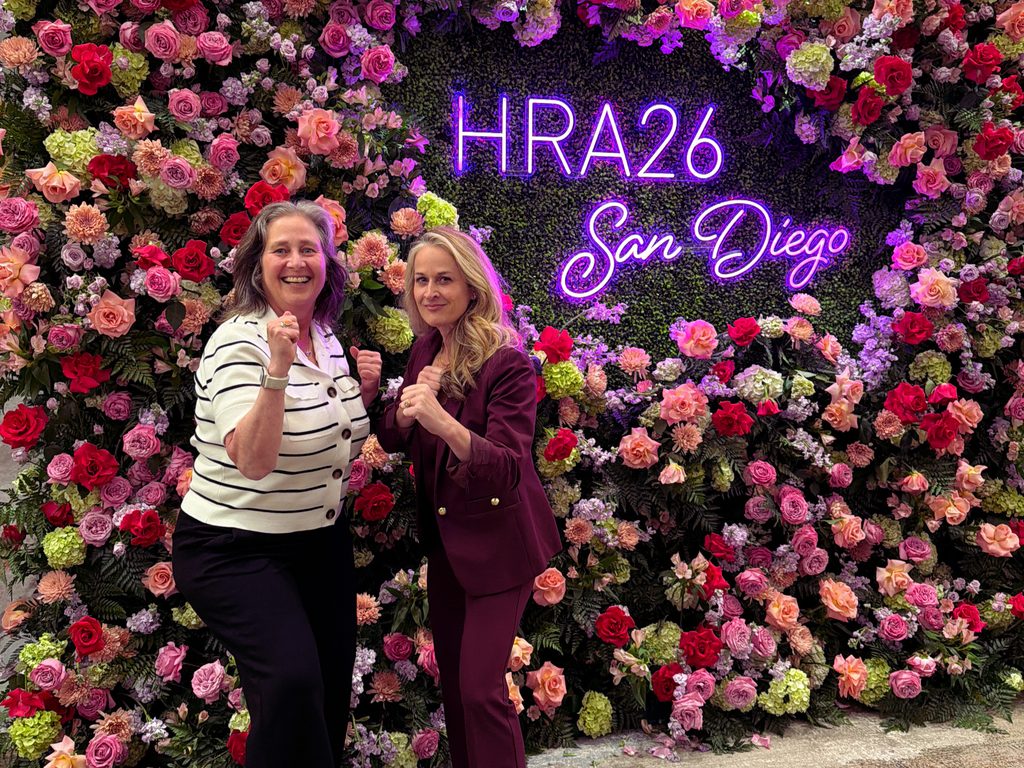
Working in human resources means wearing a lot of hats. You’re supporting employees, advising leadership, navigating difficult conversations, managing workplace challenges, and helping create a culture where people can thrive.
When things get complicated? Guess who everyone calls?
HR.
For professionals working on small HR teams, or serving as the entire HR department themselves, the pressure can be especially intense. There’s no large team to divide responsibilities among. No abundance of colleagues to bounce ideas off. And sometimes, very little separation between urgent requests and the work that actually moves the organization forward.
You’re expected to be strategic, responsive, empathetic, knowledgeable, and available. All at once. And while many HR professionals genuinely love helping people, constantly being the person everyone depends on can take a toll.
When you’re responsible for supporting everyone else, who’s looking out for you?
That was one of the important conversations we explored together in San Diego.
Why Boundaries Matter, Especially for an HR Department of One
One of the biggest themes that emerged during my keynote was boundaries. And especially for HR professionals, boundaries can be tricky. After all, your job involves being available to people, listening to their concerns, and helping solve problems.
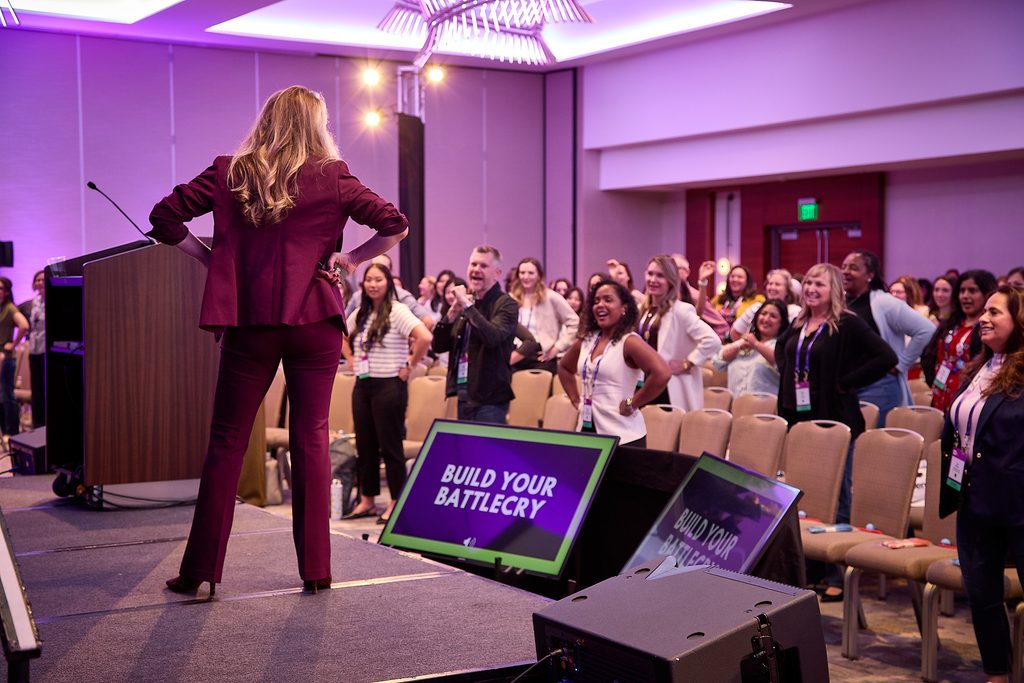
But there’s a difference between being supportive and being endlessly accessible. When you’re a one-person HR department or working on a small team, every request can feel urgent. Every employee issue can feel personal and every additional responsibility can feel like something you simply have to take on.
But here’s something I’ve learned from more than two decades of martial arts training:
Just because you can handle something doesn’t mean you have to absorb everything that comes your way.
In the dojo, we learn to establish boundaries, protect our space, and recognize when to engage and when to step away. Those same principles apply to leadership.
Setting boundaries isn’t about becoming less compassionate or less committed to your work. It’s about recognizing that your time, energy, and wellbeing are valuable resources that are worthy of protection. And protecting those resources allows you to continue showing up effectively for the people who need you.
Sometimes that means clarifying priorities with leadership and sometimes it means establishing more realistic expectations about response times. Or it means recognizing that you don’t have to personally solve every problem that lands on your desk.
Being a great HR leader doesn’t mean being everything to everyone.
Burnout Isn’t Always About Working Too Hard
Burnout was another major topic of conversation throughout the event. And while workload certainly plays a role, I think there’s another dimension that deserves attention.
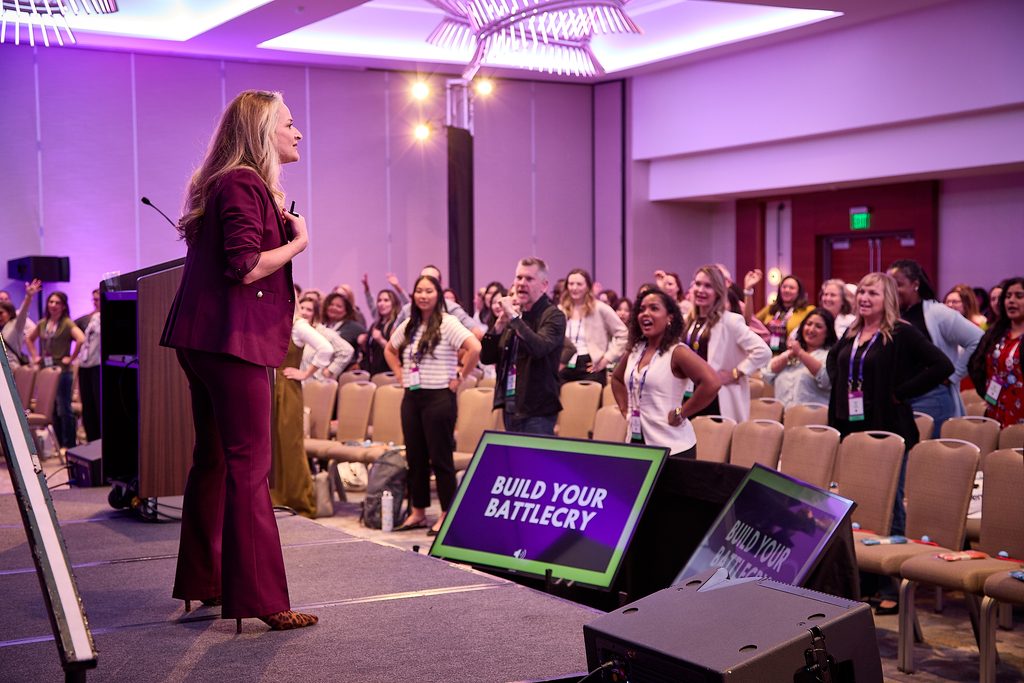
The emotional energy required to support other people. Think about how many difficult conversations an HR professional might navigate in a single week.
An employee struggling with a manager.
A leader dealing with a performance issue.
A team navigating organizational change.
A colleague who simply needs someone to listen.
Each conversation requires attention, patience, perspective, and often a great deal of emotional energy. Now imagine moving from one of those conversations directly into the next, without much time to recover. It’s easy to see how even the most capable and committed professionals can begin to feel depleted. That’s why I encourage leaders to think beyond time management and pay closer attention to energy management.
Where is your energy going?
What’s replenishing it?
And what boundaries might help you preserve more of it?
These are questions worth asking long before you reach the point of exhaustion.
The Power of Finding Your People
But what struck me most about the HR Advisory event wasn’t just the challenges these professionals shared. It was how quickly they connected. The conversations over lunch and at happy hour were full of curiosity, encouragement, laughter, and understanding.
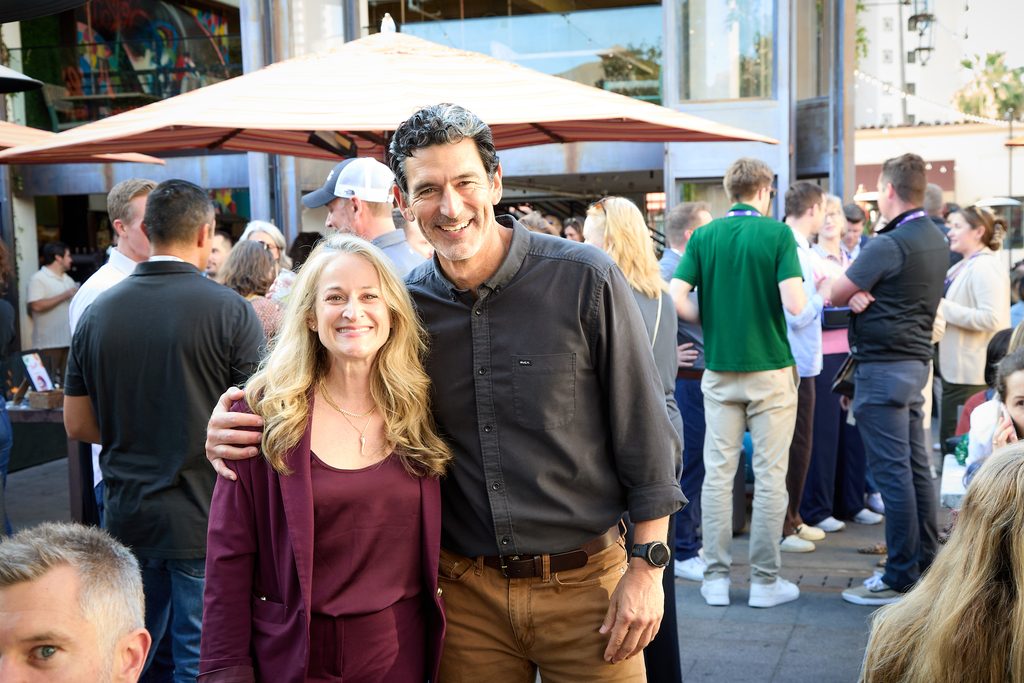
People were exchanging experiences, offering perspectives, and discovering that they weren’t the only ones navigating certain challenges. And I couldn’t help thinking about how valuable that must be for someone who spends much of their professional life being the person everyone else turns to. Especially if they’re an HR department of one.
Sometimes you don’t need another productivity hack or leadership framework. Sometimes you need to sit across from someone who understands your world and say, “You too?” There’s tremendous value in that kind of connection. It reminds us that even when our responsibilities feel uniquely challenging, we don’t have to navigate everything alone.
And it reinforces something I believe strongly about resilience:
Resilience isn’t just about what we can handle individually. It’s also about the support, relationships, and resources we build around us.
Stronger HR Leaders, Healthier Organizations
As I left San Diego, I kept thinking about the energy in that room. The willingness to participate during my keynote and the conversations that continued afterward. And the sense of community among people who, in many cases, had only just met. It was a reminder that professional development events can offer something beyond new knowledge and practical tools.
They can create space for people to feel seen, supported, and connected. And for HR professionals who spend so much time supporting everyone else, that’s especially important.
A big thank-you to the HR Advisory by Bennie Benefits team for creating such a welcoming, connected experience for HR professionals in San Diego.
Bring the Black Belt Mindset to Your Next Leadership Event
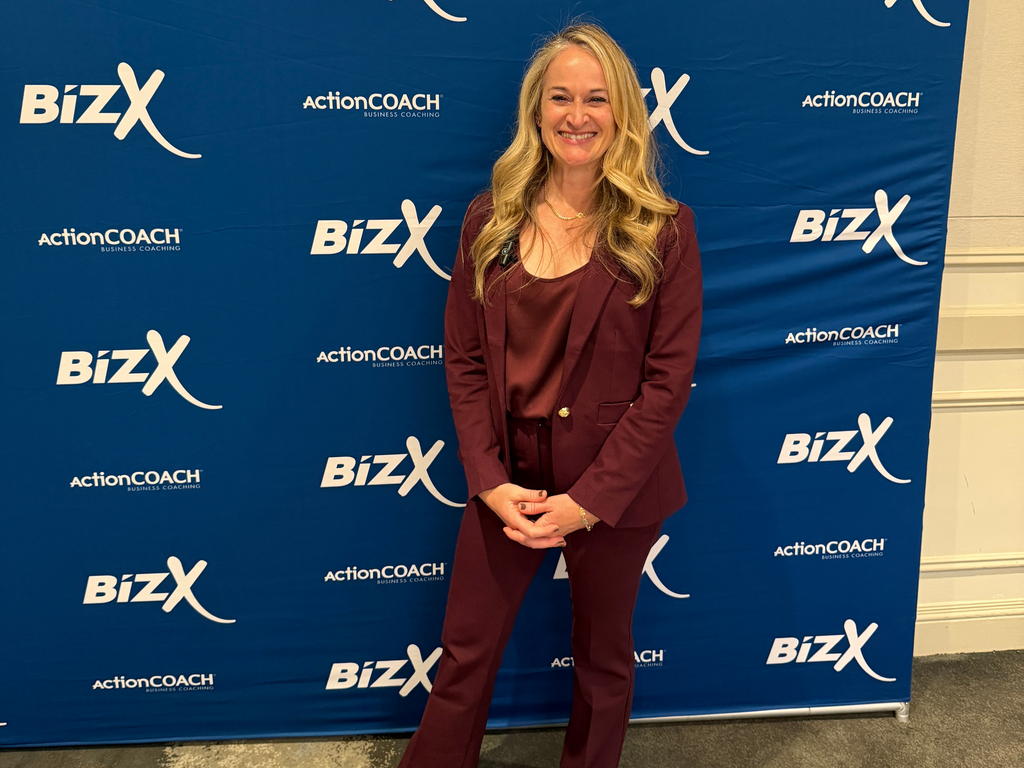
I’m Jennifer Cassetta, a keynote speaker, author, high-performance coach, and third-degree black belt. I help organizations, entrepreneurs, and business leaders build resilience, confidence, and sustainable high performance through interactive keynotes that combine ancient martial arts wisdom with modern performance science.
Whether you’re planning a business conference, leadership summit, corporate retreat, or entrepreneurial event, my goal is to help your audience leave with more than inspiration. I want them to leave with practical tools and a powerful shift in how they show up.
Explore my keynote speaking programs.
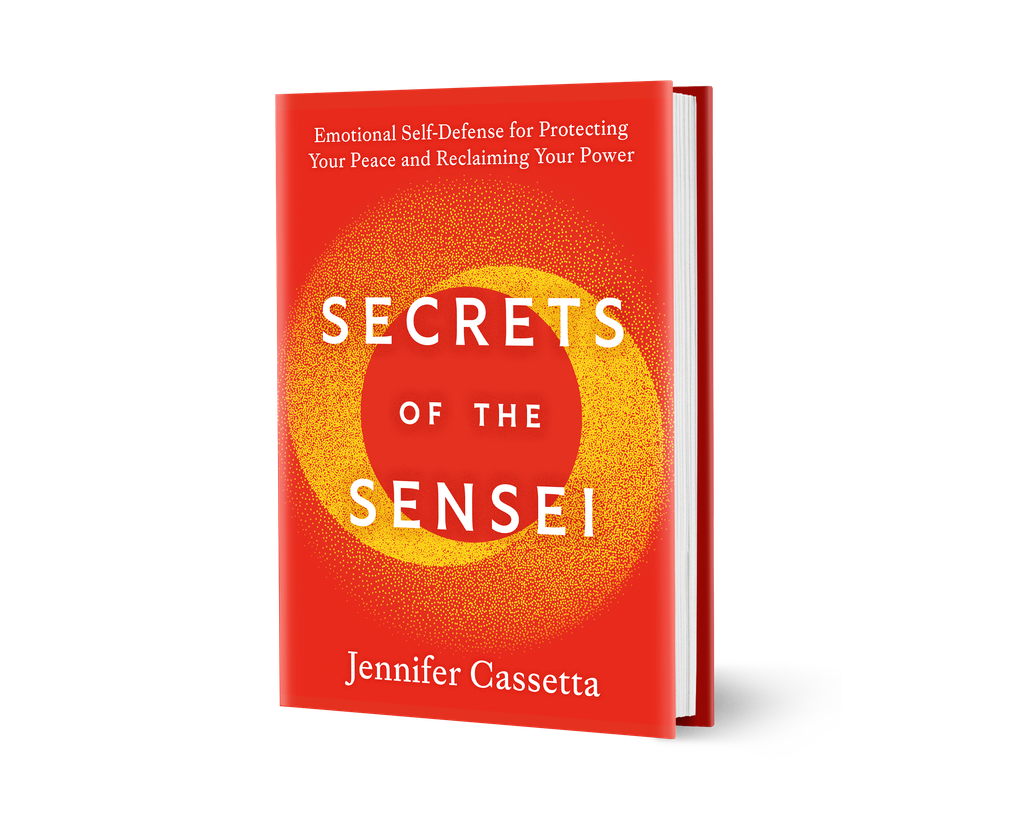
And look for my new book, Secrets of the Sensei, coming February 23, 2027, from Penguin Random House.
Secrets of the Sensei
Is Available for Preorder Now
Secrets of the Sensei: Emotional Self-Defense for Protecting Your Peace and Reclaiming Your Power will be published by Tarcher/Penguin Random House on February 23, 2027.
And you can preorder your copy now at Amazon, Barnes & Noble, Booksellers, Penguin Random House, Books A Million, Walmart, Target or at your favorite local bookstore.
Preorders are incredibly important for a new book. They help publishers, booksellers and the larger book world see that there is demand before publication day arrives. Most importantly to me, every preorder means these ideas have a chance to reach another person who may need them.
So if you’ve ever learned something from me, trained with me, heard me speak, listened to my podcast, read The Art of Badassery, or simply believe that the world could use a little more calm, courage and Big Sensei Energy right now, I’d be incredibly grateful for your support.
PREORDER SECRETS OF THE SENSEI
Thank you for being part of this next chapter.
We can’t control the chaos around us. But we can train for how we meet it.
See you in the dojo. 🥋
Jennifer Cassetta
Keynote Speaker | Author | High-Performance Coach | Third-Degree Black Belt